
Modern commercial buildings wouldn’t exist without structural steel. From office towers and apartment developments to warehouses and industrial facilities, structural steel forms the framework that supports the entire building. Installing these steel components, though, is a highly coordinated process that calls for engineering precision, experienced crews, specialised lifting equipment and strict safety procedures.
If you’re planning a commercial construction project in Sydney CBD, understanding how structural steel installation works helps explain why choosing the right contractor matters so much. Installation isn’t simply about placing steel beams into position, it involves detailed planning, steel fabrication, crane logistics, rigging, inspections and close coordination between multiple trades.
Whether your project sits around Barangaroo, Circular Quay, Darling Harbour or the growing commercial precincts near Central Station, professional structural steel installation helps keep projects safe, compliant and on schedule.
This guide walks through the complete structural steel installation process, the challenges contractors commonly face across Sydney CBD, and why experienced contractors play such a vital role in successful commercial construction.
What Is Structural Steel Installation?
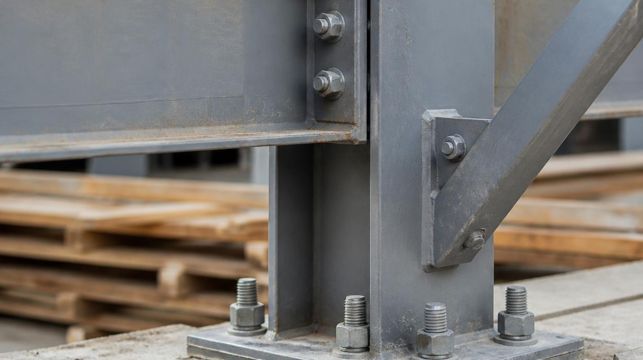
Structural steel installation is the process of assembling and securing fabricated steel components to form the structural framework of a building or infrastructure project. This typically includes structural columns, universal beams, steel trusses, roof framing, bracing systems, connection plates, stair structures and mezzanine floors.
Unlike fabrication, which happens in a controlled workshop, installation takes place on-site using cranes, rigging equipment and qualified steel erection crews.
How Structural Steel Installation Works
Every commercial project follows a carefully planned sequence designed to maximise safety and efficiency.
Step 1: Structural Engineering and Shop Drawings
Before any steel is manufactured, structural engineers prepare detailed construction drawings covering steel member sizes, load capacities, bolt locations, welding requirements, connection details and the installation sequence. Every component is individually engineered to integrate with the rest of the building.
Step 2: Steel Fabrication
Once designs are approved, fabrication begins in a specialised workshop, where steel is precision cut, drilled, welded, plate fabricated, coated, galvanised or painted and quality checked. Manufacturing steel off-site keeps quality consistent and reduces construction time once it reaches busy Sydney CBD sites.
Step 3: Delivery and Site Logistics
Sydney CBD has very limited storage space compared with suburban sites, so structural steel deliveries are carefully scheduled using just-in-time logistics, meaning components arrive only when they’re ready to be installed. This keeps congestion down, improves safety, cuts double handling and helps projects keep moving.
Step 4: Crane Mobilisation
Large steel members can’t be installed manually, so professional contractors develop engineered lift plans before any crane arrives on site. This covers crane selection, ground stability, lift radius, load calculations, traffic management and pedestrian exclusion zones, all of which is essential for keeping lifting operations safe.
Step 5: Structural Steel Erection
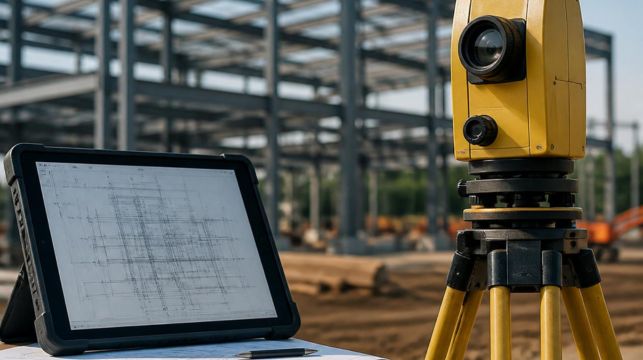
Steel erection crews carefully position each structural member, including columns, primary and secondary beams, roof framing, bracing systems and stair assemblies, before permanently securing it. Surveying equipment checks alignment throughout to keep everything within engineering tolerance.
Step 6: Bolting, Welding and Final Connections
Once positioned, steel members are permanently connected using high-strength structural bolts, site welding and engineered connection plates. These connections are what give the finished building its structural strength.
Step 7: Quality Assurance and Inspection
Before construction moves on to the next stage, installers run extensive inspections covering alignment, bolt tension, weld quality, structural tolerances and engineering compliance. This makes sure the framework meets design specifications before other trades start their work on top of it
Equipment Used During Structural Steel Installation
Professional structural steel construction relies on equipment matched to each project’s needs.
Mobile cranes suit commercial developments that need flexibility and fast mobilisation, while tower cranes are more commonly used on multi-storey developments across Sydney CBD. Elevated work platforms (EWPs) give installers safe access at height, and rigging equipment such as slings, shackles, spreader beams, chain blocks and lifting clamps keeps loads stable during every lift. Temporary bracing is also used to maintain structural stability until permanent connections are completed.
Common Challenges During Structural Steel Installation
Commercial projects rarely proceed without a few hurdles along the way.
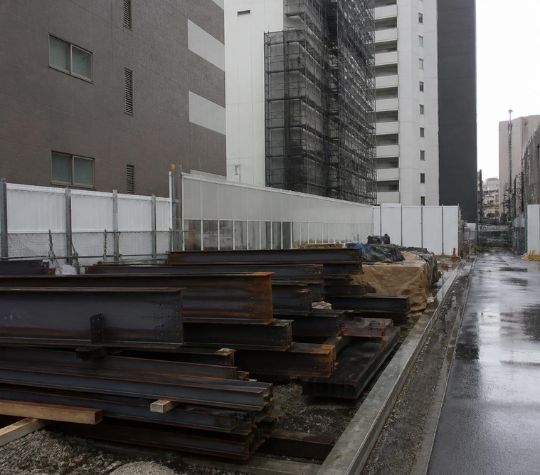
Restricted site access is a constant issue in Sydney CBD developments, where narrow streets, existing buildings, underground infrastructure and limited laydown areas mean every delivery and lift needs careful coordination.
Weather delays are another factor. Strong coastal winds can temporarily suspend crane operations, and heavy rainfall can reduce visibility and create slippery working conditions, so experienced contractors keep a close eye on forecasts to minimise the impact.
Multiple trades working together adds its own complexity, since structural steel installation often overlaps with concrete construction, mechanical services, electrical contractors, façade installation and roofing. Clear communication between trades is what keeps scheduling conflicts from becoming costly.
And with tight construction programs the norm on commercial developments, experienced project managers need to coordinate fabrication, delivery and installation closely just to keep things progressing on time.
Why Sydney CBD Projects Need Experienced Structural Steel Installers
Installing structural steel within Sydney CBD brings logistical challenges you won’t find on suburban sites. Projects around Barangaroo, Circular Quay, Wynyard, Martin Place, George Street, Kent Street, Sussex Street and Darling Harbour often mean managing road occupancy permits, traffic management, restricted crane positioning, heavy pedestrian activity, limited material storage, night deliveries and council approval requirements all at once.
Local experience is what makes the difference here, helping reduce delays while keeping the site safe.
Safety During Structural Steel Construction
Safety remains the top priority throughout every installation project.
Professional contractors prepare Safe Work Method Statements (SWMS) that outline hazards, control measures and safe working procedures, along with engineered lift plans covering load weights, crane configuration, lift sequence and communication methods for every significant lift. For work at height, installers rely on fall arrest systems, safety harnesses, edge protection and elevated work platforms to keep risks down. All of this sits within a broader commitment to Australian Standards, engineering specifications and workplace safety legislation.
Why Professional Structural Steel Installation Saves Time and Money
Choosing experienced structural steel installers pays off well beyond the installation itself. It typically means faster installation, fewer project delays, better coordination between trades, improved workplace safety, more accurate structural alignment, a lower risk of costly rework and stronger compliance with engineering requirements, all of which protects both the project schedule and the construction budget.
Local Expertise: Structural Steel Installation in Sydney CBD
Commercial construction within Sydney CBD demands far more planning than a comparable suburban project. Contractors regularly navigate peak-hour traffic around George Street and York Street, restricted access near Circular Quay and Wynyard, limited laydown space that forces staged deliveries, coastal wind conditions that affect crane operations, council permits for temporary road closures and noise restrictions that shape when construction can actually happen.
Builders who work with experienced local structural steel contractors benefit from teams who already understand these site conditions and can manage them proactively rather than reactively.
Frequently Asked Questions
What is structural steel installation?
Structural steel installation is the process of assembling fabricated steel components on-site to create the framework of commercial and industrial buildings.
Is structural steel installation different from steel fabrication?
Yes. Steel fabrication involves manufacturing steel components in a workshop, while structural steel installation involves assembling those components at the construction site.
How long does structural steel installation take?
The timeline depends on the building size, weather conditions, crane availability and project complexity. Smaller commercial buildings may take several weeks, while high-rise developments often require several months.
Why are cranes required for structural steel installation?
Structural steel components are extremely heavy and need cranes to safely lift, position and install them with precision.
What safety measures are used during structural steel installation?
Professional contractors use engineered lift plans, Safe Work Method Statements, fall protection systems, exclusion zones, equipment inspections and qualified personnel to keep operations safe.
Can structural steel be installed in confined construction sites?
Yes. Experienced contractors regularly complete structural steel installation on restricted-access sites throughout Sydney CBD using detailed planning, specialised cranes and carefully coordinated delivery schedules.
Why should I hire experienced structural steel installers?
Experienced installers understand engineering requirements, crane logistics, sequencing, safety regulations and quality assurance, all of which helps projects stay safe, compliant and on schedule.
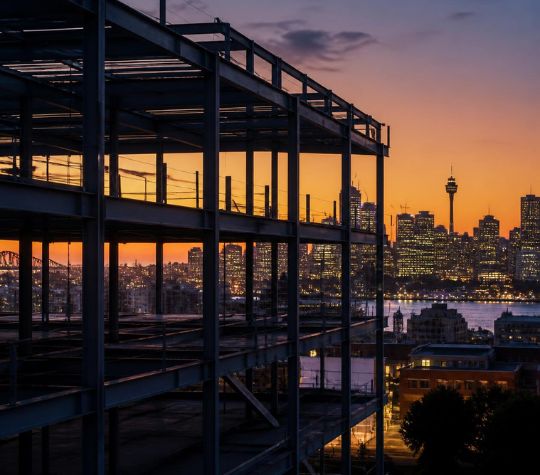
Structural steel installation is one of the most important stages of any commercial construction project. From engineering and fabrication through to steel erection, crane operations and final inspections, every step needs careful planning, technical expertise and strict safety compliance.
Projects throughout Sydney CBD face additional challenges such as restricted access, traffic management, weather conditions and complex construction sequencing. Working with experienced structural steel contractors means these challenges get managed efficiently, without compromising on safety or the quality of the finished result.
If you’re planning a commercial development, warehouse, industrial facility or infrastructure project, AusPro Steel Construction & Rigging provides professional structural steel installation, steel erection, crane hire and rigging services across Sydney CBD and surrounding areas. Contact our experienced team today to discuss your project requirements and find out how we can help deliver your next build safely, efficiently and on time.