
As Sydney CBD continues to grow upwards rather than outwards, steel erection has become one of the most critical stages of modern commercial construction. From office towers overlooking Circular Quay to mixed-use developments near Barangaroo and infrastructure projects around Central Station, structural steel provides the strength and flexibility required for complex high-rise buildings.
Erecting structural steel in Sydney CBD, though, involves far more than lifting steel into place. Construction teams need to coordinate crane operations, road closures, restricted access zones, pedestrian safety, weather conditions and strict council requirements, all while keeping projects on schedule in one of Australia’s busiest business districts.
Whether you’re a property developer, builder, project manager or commercial asset owner, understanding how modern steel erection services work helps you appreciate why experience, planning and precision matter throughout every phase of construction.
This guide explains how structural steel erection is carried out for high-rise projects in Sydney CBD, the challenges contractors overcome and why choosing experienced steel erection contractors is essential for delivering safe, compliant and efficient construction outcomes.
What Is Steel Erection?
Steel erection is the process of assembling and installing fabricated structural steel components to create the framework of a building or structure.
Once steel members are manufactured and prepared off-site, they’re transported to the construction site where specialist crews install columns, beams, braces, trusses and connection systems according to engineering drawings.
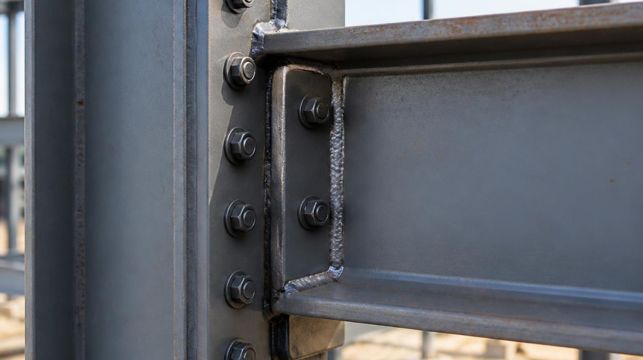
The process forms the structural skeleton that supports:
- Commercial office buildings
- High-rise residential towers
- Hospitals
- Shopping centres
- Warehouses
- Industrial facilities
- Transport infrastructure
Modern structural steel erection relies on detailed engineering, specialised lifting equipment and highly trained crews to ensure every component is installed accurately and safely.
How the Fabrication and Erection of Steel Structures Works
Although steel erection occurs on-site, much of the work begins months before installation starts.
Step 1: Structural Design and Engineering
Structural engineers develop detailed designs that specify load requirements, connection methods, member sizes, bolt locations, welding details and the installation sequence. Every component needs to be engineered to integrate with the rest of the building.
Step 2: Steel Fabrication
During fabrication and erection of steel structures, steel sections are manufactured in controlled workshop environments.
Fabrication typically includes:
- Cutting
- Drilling
- Welding
- Plate fabrication
- Protective coatings
- Trial assembly
- Quality inspections
Fabricating components off-site improves quality control while reducing construction time in busy city environments like Sydney CBD.
Step 3: Delivery Scheduling
Unlike suburban construction sites, Sydney CBD offers very limited storage space, so steel deliveries are carefully scheduled using a just-in-time approach where materials arrive only when needed.
This approach brings a few key benefits:
- Reduced congestion
- Improved site safety
- Better traffic management
- Less material handling
- Faster installation
Step 4: Crane Lifting Operations
Large mobile cranes or tower cranes lift each steel component into position. Rigging crews coordinate every lift using lift plans, load calculations, communication systems, spotters and exclusion zones, with each lift planned well before equipment arrives onsite.
Step 5: Installation and Connection
Steel erectors position members before securing them using high-strength bolts, welded connections, temporary bracing and permanent structural connections. Survey equipment continually checks alignment to ensure structural tolerances are achieved.
Why Steel Erection in Sydney CBD Is More Complex Than Other Locations
Unlike construction on open industrial land, Sydney CBD projects present unique logistical challenges.
Limited Site Access
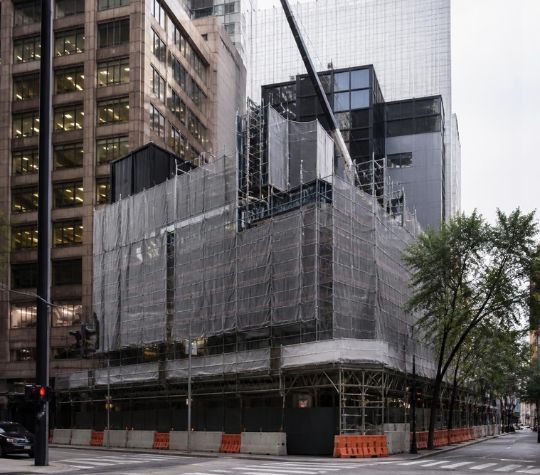
Many construction sites contend with narrow streets, adjacent buildings, underground infrastructure, heavy pedestrian traffic, bus lanes and light rail corridors, meaning equipment access often needs to be planned weeks in advance.
Restricted Crane Positioning
High-rise projects frequently require cranes to operate within confined spaces. Crane selection depends on building height, lift radius, nearby buildings, underground services, power lines and traffic conditions, and every lift must comply with engineered lifting plans.
Traffic Management
Road closures around areas such as George Street, Pitt Street, Kent Street and Sussex Street require careful coordination.
Traffic management plans often include:
- Temporary lane closures
- Night works
- Police coordination
- Pedestrian diversions
- Delivery scheduling
These measures minimise disruption while maintaining public safety.
Weather Considerations
Sydney’s weather can directly affect structural steel erection. High winds may suspend crane operations because suspended loads become unstable, while heavy rain can reduce visibility, create slippery work surfaces and delay installations. Experienced contractors continually monitor weather forecasts and adapt schedules accordingly.
Safety Compliance During Structural Steel Erection
The safe erection of structural steel for buildings is one of the most regulated aspects of commercial construction, and every project requires extensive planning to protect workers, surrounding businesses and the public.
Risk Assessments
Before work begins, contractors prepare Safe Work Method Statements (SWMS), lift studies, site-specific risk assessments, emergency response plans and exclusion zone layouts. These documents identify potential hazards before installation starts.
Working at Heights
High-rise steel erection involves significant work at height. Safety measures typically include fall arrest systems, temporary edge protection, safety nets, elevated work platforms and rescue procedures, and workers receive specialised training before undertaking these tasks.
Crane Safety
Each crane lift is carefully engineered, with lift planning taking into account wind speed, load weight, boom length, ground stability, lift path and communication procedures. This planning reduces risk while maintaining productivity.
Compliance With Australian Standards
Professional steel erection contractors work in accordance with relevant Australian Standards, engineering specifications and workplace safety legislation. Staying compliant supports structural integrity and keeps construction risks down throughout the project lifecycle.
Common Challenges During High-Rise Steel Erection
Even with detailed planning, steel erection projects encounter challenges requiring experienced decision-making.
Tight Construction Programs
Commercial developments often involve multiple trades working simultaneously. Steel erection must align with concrete works, mechanical services, electrical installations, façade construction, roofing and internal fit-outs, and poor coordination can delay the entire project.
Precision Alignment
Structural steel components are manufactured with extremely tight tolerances. Minor alignment issues can affect flooring installation, cladding, lift shafts, services coordination and roof systems, which is why modern surveying technology plays such a big part in maintaining accuracy throughout installation.
Material Sequencing
Installing steel in the wrong sequence may require unnecessary crane movements or temporary dismantling. Experienced project managers carefully coordinate delivery schedules to maximise efficiency.
The Role of Steel Erection Contractors
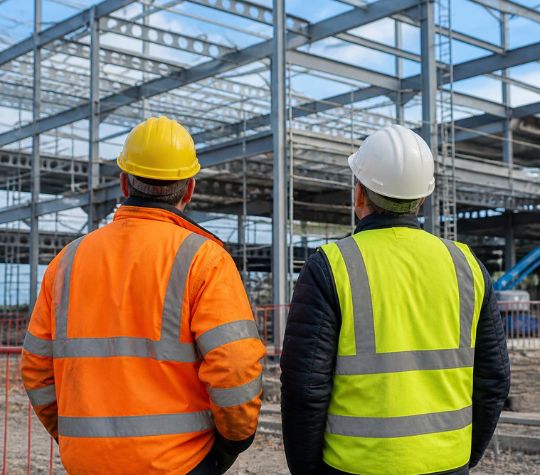
Professional steel erection contractors provide far more than installation labour.
They typically manage:
- Lift planning
- Site logistics
- Crane coordination
- Temporary works
- Safety documentation
- Structural sequencing
- Quality assurance
- Installation supervision
Working with experienced contractors keeps delays to a minimum and lifts both safety and construction quality across the project.
Why Structural Steel Is Ideal for High-Rise Buildings
Structural steel remains the preferred construction material for commercial towers because it offers numerous advantages.
High Strength-to-Weight Ratio
Steel provides exceptional strength while remaining lighter than many alternative construction materials. This allows for taller buildings, larger floor spans, reduced foundation loads and more flexible architectural designs.
Faster Construction
Off-site fabrication significantly reduces on-site construction time, and projects can progress faster because fabricated components arrive ready for installation.
Design Flexibility
Steel accommodates open office layouts, large commercial spaces, complex architectural designs and future building modifications.
Sustainability
Steel is highly recyclable and can often be reused in future projects. Its durability also contributes to longer building lifespans with reduced maintenance requirements.
Steel Erection Challenges Specific to Sydney CBD
Sydney CBD presents conditions rarely encountered in suburban construction.
Some local considerations include:
- High pedestrian volumes around Town Hall, Wynyard and Martin Place
- Proximity to neighbouring commercial buildings that restrict crane movements
- Limited laydown areas requiring just-in-time material deliveries
- Strict traffic management around major roads including George Street and York Street
- Coordination with Sydney light rail operations and public transport networks
- Noise restrictions that may influence working hours
- Council approvals for road occupancy and temporary works
- Exposure to coastal winds that can affect crane operations, particularly on taller structures
Contractors with experience working throughout Sydney CBD understand how to plan around these local challenges while maintaining safe and efficient project delivery.
Why Experience Matters for Commercial Steel Erection
Every high-rise project comes with its own engineering and logistical demands.
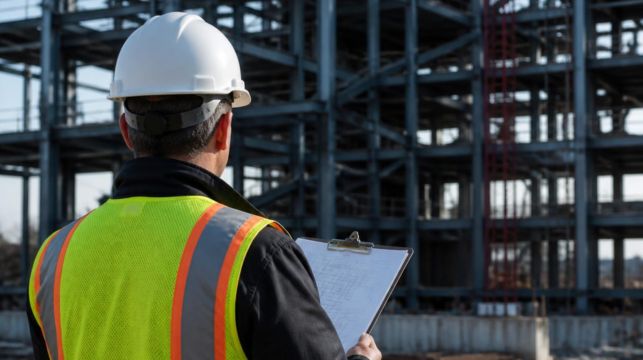
Experienced contractors know how to coordinate with builders and engineers, minimise construction disruptions, maintain compliance with safety regulations, deliver accurate installation, manage complex lifting operations and respond to changing site conditions. This kind of expertise brings down project risk and supports a smoother path to completion.
Conclusion
Successful steel erection is far more than assembling steel components on-site. High-rise projects in Sydney CBD demand careful planning, precise crane logistics, rigorous safety compliance and close coordination between engineers, builders and specialist contractors.
From the fabrication and erection of steel structures through to final installation, every stage requires expertise to ensure structural integrity, efficient project delivery and compliance with Australian safety standards. The unique challenges of working within Sydney’s busy commercial precinct, including restricted access, traffic management and complex lifting operations, highlight the importance of partnering with experienced professionals.
If you’re planning a commercial development, infrastructure project or high-rise construction requiring professional steel erection services, AusPro Steel Construction & Rigging has the expertise to deliver safe, efficient and high-quality structural steel solutions. Contact our team today to discuss your project requirements and discover how our experienced steel erection contractors can support your next build across Sydney CBD and surrounding areas.
Frequently Asked Questions
How long does steel erection take for a high-rise building in Sydney CBD?
The timeframe depends on the building size, complexity, weather conditions, crane availability and project sequencing. Smaller commercial buildings may take several weeks, while larger high-rise developments often require several months of coordinated steel erection.
What is the difference between steel fabrication and steel erection?
Steel fabrication involves manufacturing structural steel components in a workshop. Steel erection is the on-site installation of those fabricated components using cranes, rigging equipment and specialist erection crews.
Why are cranes essential during structural steel erection?
Cranes safely lift heavy steel members into precise positions that can’t be achieved manually. Every lift follows engineered plans to ensure accuracy, efficiency and worker safety.
What makes steel erection in Sydney CBD more difficult?
Limited access, traffic restrictions, nearby buildings, pedestrian activity, council approvals and tight construction sites all add complexity to steel erection within Sydney CBD compared with suburban developments.
How is the safe erection of structural steel for buildings achieved?
Safety is maintained through detailed planning, engineered lifting procedures, worker training, fall protection systems, exclusion zones, ongoing inspections and compliance with Australian workplace safety requirements.
Why is structural steel commonly used for commercial buildings?
Structural steel offers excellent strength, fast construction, flexible design possibilities and long-term durability, making it one of the most efficient materials for modern commercial developments.