
Choosing a crane for a construction project is not simply a matter of asking for the biggest crane available.
The right crane needs to suit the actual lift, site and working conditions.
A crane may have more than enough maximum lifting capacity but still be unsuitable because it cannot access the site, cannot achieve the required lifting radius, cannot be positioned safely or does not have sufficient capacity at the required configuration.
On the other hand, hiring a crane with significantly more capacity than the project requires can add unnecessary costs and create additional logistical requirements.
For builders, contractors and project managers looking for mobile crane hire in Sydney, the goal is to select equipment that can safely and efficiently perform the planned lift while fitting the practical constraints of the construction site.
Why Choosing the Right Mobile Crane Matters
The crane is one part of a much larger lifting operation.
The selected crane needs to work with:
- The weight of the load
- The required lifting radius
- Lift height
- Load dimensions
- Crane configuration
- Site access
- Ground conditions
- Available setup space
- Surrounding structures
- Overhead hazards
- Underground services
- Traffic and pedestrian restrictions
- The planned lifting sequence
SafeWork NSW’s mobile crane guidance highlights the importance of selecting suitable equipment and considering factors such as site conditions, load limits, ground conditions, underground assets, overhead hazards and the crane’s configuration.
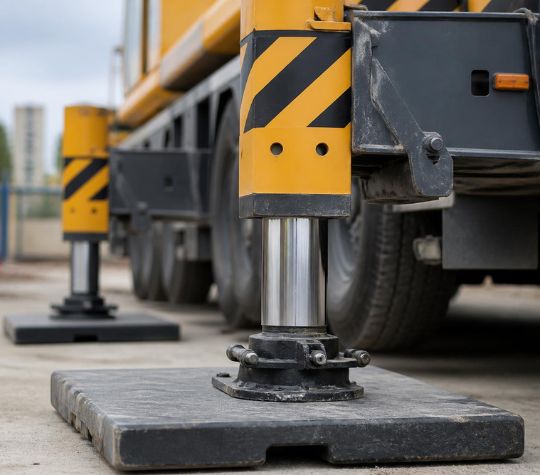
This is why crane selection should happen as part of the lift planning process rather than being treated as a separate decision.
What Determines Which Crane You Need?
There is no single specification that determines the correct crane.
The decision usually comes down to how several factors work together.
1. Load Weight
The first question is usually:
How heavy is the load?
But knowing the load weight alone is not enough.
A crane’s available capacity depends on its configuration and the position of the load.
For example, the same crane may have significantly different lifting capabilities depending on how far the load needs to be positioned from the crane.
The weight should therefore be confirmed as accurately as possible before selecting the equipment.
For steel installation, this may involve reviewing individual steel members, fabricated components, beams, columns or other materials that need to be lifted.
2. Lifting Radius
The lifting radius is one of the most important considerations when arranging mobile crane hire in Sydney.
The radius refers broadly to the horizontal distance between the crane’s centre of rotation and the load’s lifting position.
As the lifting radius increases, the crane’s available capacity can change.
This means a crane that appears suitable based on its maximum rated capacity may not be suitable when the load needs to be placed further away.
The correct question isn’t:
“How much can this crane lift?”
It is:
“How much can this crane safely lift at the required radius and configuration?”
SafeWork NSW specifically requires crane operators to understand the crane’s characteristics, limitations and load charts to determine its rated capacity for the relevant configuration.
Lift Height Also Affects Crane Selection
The crane needs to reach both the horizontal position and vertical height required for the lift.
A high-rise or multi-level construction project may require the load to be lifted over surrounding structures or placed at considerable height.
This can affect:
- Boom requirements
- Crane configuration
- Required radius
- Available capacity
- Load path
- Site positioning
A crane that can handle the weight may not necessarily be able to achieve the required height and radius combination.
This is why lift height should be considered alongside load weight and radius rather than independently.
Access Can Determine Whether a Crane Is Suitable
One of the biggest challenges with crane hire in Sydney is getting the crane to the location where it needs to work.
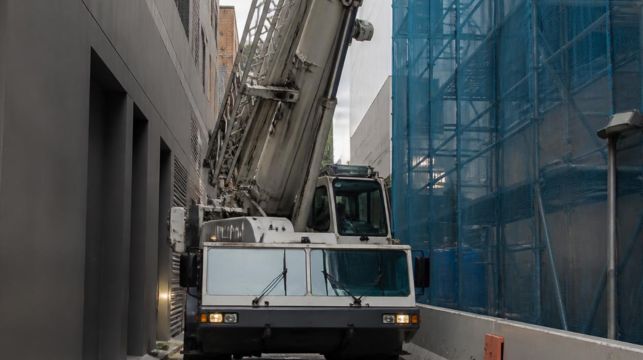
Construction sites can have:
- Narrow entrances
- Tight laneways
- Restricted roads
- Temporary fencing
- Other construction vehicles
- Adjacent buildings
- Limited turning space
- Pedestrian activity
- Traffic restrictions
- Limited setup areas
A crane may have the right lifting capacity but still be impractical if it cannot safely access the required position.
This is particularly important for Sydney CBD projects.
AusPro Steel identifies restricted access, narrow streets, adjacent buildings, traffic and limited staging space as important considerations for Sydney CBD steel installation and lifting projects.
Why Site Access Should Be Checked Before Booking
Waiting until the crane arrives to discover an access problem can create unnecessary delays.
The project team should consider:
- How the crane will enter the site
- Whether the access route is wide enough
- Whether turning space is available
- Whether road access needs to be managed
- Where the crane will set up
- Whether other vehicles need to be moved
- Whether the crane’s arrival needs to be coordinated with deliveries
For restricted Sydney sites, these questions can be just as important as the crane’s lifting capacity.
Ground Conditions Matter for Mobile Crane Hire
A mobile crane needs a suitable area for setup and operation.
Ground conditions can influence whether the planned crane position is suitable and whether additional engineering or ground assessment is required.
Important considerations can include:
- Surface conditions
- Ground bearing capacity
- Slopes
- Excavations
- Trenches
- Underground services
- Basement structures
- Drainage infrastructure
- Outrigger setup requirements
SafeWork NSW identifies ground conditions and suitable crane standing areas as important considerations when planning mobile crane operations.
This is particularly important on construction sites where ground conditions may have changed during excavation, demolition or other site works.
How Much Space Does the Crane Need?
The physical footprint of the crane is another consideration that is sometimes overlooked.
The site needs to accommodate not only the crane itself but also the space required for the planned lifting operation.
Depending on the crane and project, this may include space for:
- Crane setup
- Outriggers
- Boom movement
- Load handling
- Delivery vehicles
- Rigging operations
- Exclusion zones
- Workers
- Material staging
On a large open site, this may be relatively straightforward.
On a constrained Sydney construction site, it can become a major planning consideration.
What About Overhead Powerlines and Structures?
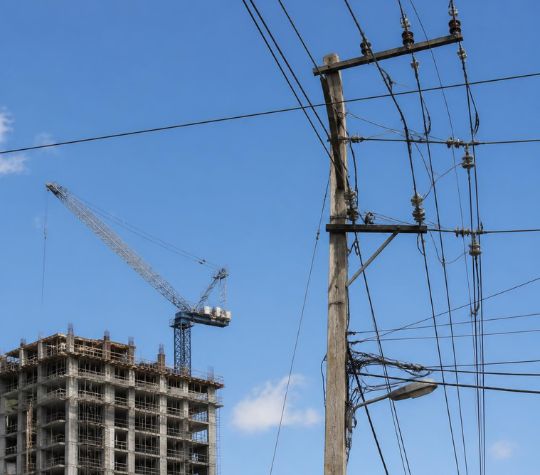
The area above the crane matters just as much as the ground around it.
Potential overhead hazards can include:
- Powerlines
- Buildings
- Scaffolding
- Temporary structures
- Other cranes
- Services
- Bridges or elevated structures
SafeWork NSW identifies contact with overhead powerlines, buildings and scaffolding among the hazards associated with crane operations.
Before selecting a crane, the proposed setup position and lifting path should therefore be assessed for overhead hazards.
A crane with a suitable lifting capacity is not suitable if the planned operation cannot be carried out safely within the available working envelope.
Traffic and Road Restrictions Can Affect Crane Hire
Sydney construction projects can involve working within or next to busy roads.
Depending on the location, the crane operation may need to account for:
- Traffic
- Pedestrians
- Road access
- Temporary lane restrictions
- Delivery timing
- Site entry and exit
- Public protection
- Exclusion zones
AusPro Steel’s Sydney CBD project experience highlights traffic management, pedestrian diversions and carefully coordinated access as important considerations for complex lifting operations.
The crane itself may only occupy the site for a limited period, but the logistics surrounding its arrival and setup can require significant coordination.
Why the Cheapest Crane Isn’t Always the Cheapest Option
Price is naturally an important consideration when arranging mobile crane hire.
However, comparing cranes purely on the hourly or daily hire rate can be misleading.
A cheaper crane may become the more expensive option if it:
- Cannot perform the lift at the required radius
- Requires repositioning
- Needs additional setup time
- Has insufficient capacity
- Creates access problems
- Requires changes to the lifting sequence
- Causes delays to other trades
- Requires additional equipment or support
For example, choosing a crane that is too small could mean the project needs to stop and arrange alternative equipment.
The cost isn’t just the crane hire.
It can also include:
- Labour downtime
- Site delays
- Rescheduling
- Additional deliveries
- Traffic management
- Additional equipment
- Lost productivity
The better approach is to select a crane based on overall suitability and project requirements, not simply the lowest hire price.
Why a Larger Crane Isn’t Automatically Better
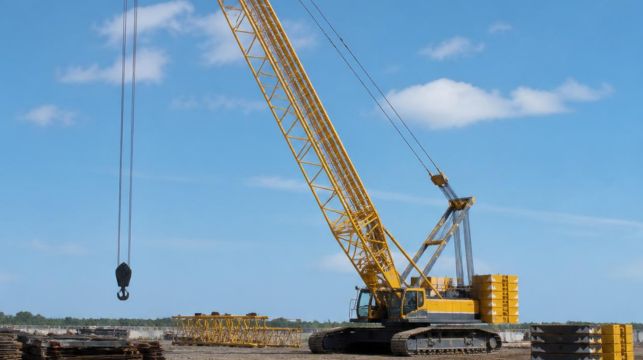
The opposite mistake is assuming that bigger is always better.
A larger crane can provide additional lifting capacity, but it may also require:
- More setup space
- Greater access requirements
- Different transport arrangements
- Additional ground considerations
- More complex traffic management
- Greater site coordination
If the site is restricted, a smaller crane with the appropriate capacity may be more practical.
The objective is not to hire the largest crane.
The objective is to hire the right crane for the lift.
How to Choose the Right Mobile Crane for Your Sydney Project
Before requesting a crane hire quote, gather as much information about the planned lift as possible.
Confirm the Load
Know:
- Load weight
- Load dimensions
- Centre of gravity where relevant
- Lifting points
- Number of loads
- Maximum load that needs to be lifted
Accurate load information gives the lifting team a much better starting point for crane selection.
Determine the Required Radius
Identify where the crane can realistically be positioned and where the load needs to be picked up and placed.
The required radius can then be assessed as part of the crane selection process.
Confirm the Lift Height
Determine how high the load needs to travel and whether it needs to clear surrounding buildings or structures.
Assess Site Access
Consider how the crane will reach the proposed setup location.
For Sydney projects, this can include checking road access, site entrances, turning space and local restrictions.
Review Ground Conditions
The proposed crane setup area should be assessed for suitability, including potential underground services, excavations and other ground hazards.
Identify Surrounding Hazards
Review:
- Powerlines
- Buildings
- Scaffolding
- Other cranes
- Underground services
- Traffic
- Pedestrian areas
Consider the Entire Lifting Sequence
The crane doesn’t operate in isolation.
Think about:
- Where the load arrives
- Where it is picked up
- The crane’s position
- The lifting radius
- The load path
- Where the load will be placed
- What happens immediately after placement
This broader view can identify problems that a basic crane capacity calculation may not reveal.
Mobile Crane Hire and Crane Lift Planning Should Work Together
Choosing the crane and planning the lift are closely connected.
The crane selection affects the lifting radius, setup area, access requirements and available capacity.
At the same time, the planned lift determines what type and size of crane may be required.
That’s why crane hire should not be treated as simply:
“Book a crane and work out the details later.”
Instead, the crane should be selected around the actual requirements of the lift.
If you’re planning a complex construction lift, our guide to crane lift planning in Sydney can help identify the other site and logistical considerations that should be addressed before the crane arrives.
When Should You Start Planning Mobile Crane Hire?
The earlier the better, particularly for complex or restricted-access sites.
Early planning gives the project team time to identify:
- The appropriate crane
- Access requirements
- Setup location
- Ground conditions
- Traffic management
- Required lifting capacity
- Site restrictions
- Delivery timing
- Exclusion zones
- Other trades that may be affected
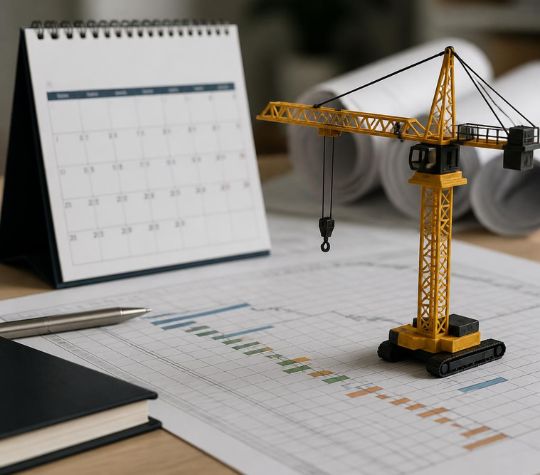
Leaving crane selection until shortly before the lift can reduce the available options.
A crane that is suitable for the job may already be committed elsewhere, while changing the crane at the last minute could affect the construction schedule.
Mobile Crane Hire for Sydney Construction Projects
AusPro Steel Construction & Rigging provides crane and lifting support for commercial and industrial construction projects across Sydney.
The company works with builders and contractors on projects where crane access, lifting capacity, site conditions and construction scheduling all need to be considered together.
AusPro’s Sydney CBD experience includes working around restricted access, tight streets, surrounding buildings, traffic and limited staging areas, conditions where choosing the right lifting equipment can make a significant difference to project logistics.
For projects requiring mobile crane hire in Sydney, the starting point should be the lift itself:
What needs to be lifted, where does it need to go, how far does it need to travel, and what does the site allow?
From there, the appropriate crane can be assessed around the actual project requirements.
Avoid the Wrong Crane Hire Decision
Choosing a mobile crane shouldn’t come down to capacity or price alone.
The right equipment needs to match the load, radius, height, access, ground conditions, site footprint and surrounding environment.
For Sydney construction projects, particularly those operating in restricted or high-traffic areas, these details can have a direct impact on whether the lift runs efficiently.
Planning the crane selection early can help avoid the expensive situation of having equipment arrive on site only to discover that it isn’t suitable for the planned lift.
If you’re arranging mobile crane hire in Sydney, start with the lift requirements and site conditions rather than simply choosing the largest or cheapest crane available.
The right crane is the one that works for the lift and the site, not simply the one with the biggest capacity or lowest hire rate.
Frequently Asked Questions About Mobile Crane Hire in Sydney
How do I choose the right mobile crane for my construction project?
Start with the load weight, lifting radius, required height, crane setup location, site access, ground conditions and surrounding hazards. These factors can help determine which crane and configuration are appropriate for the planned lift.
Is crane lifting capacity the only factor when choosing a crane?
No. Crane capacity is only one part of the decision. The required radius, boom configuration, lift height, site access, ground conditions, setup space and surrounding hazards can all affect whether a crane is suitable.
Can a smaller mobile crane be better than a larger crane?
Yes. If a smaller crane has sufficient capacity for the actual lift, it may be easier to access and set up on a restricted site. A larger crane is not automatically the better option.
What information should I provide when requesting crane hire in Sydney?
Useful information includes the load weight and dimensions, lifting points, required lift height, pickup and landing locations, estimated lifting radius, site address, access restrictions, crane setup area and any known overhead or underground hazards.
How early should I arrange mobile crane hire?
For complex construction projects, arranging crane requirements early gives the project team more time to confirm crane selection, access, ground conditions, traffic management, scheduling and other site requirements. Leaving crane selection until the last minute can reduce available equipment options and increase the risk of delays.