
A crane arriving on site does not necessarily mean a lift is ready to go.
For construction projects across Sydney, particularly in busy areas such as the CBD, there can be a long list of variables to resolve before the first load leaves the ground.
Can the crane actually access the site?
Is there enough space to position and set up the crane?
Can it safely lift the required load at the planned radius?
What are the ground conditions like?
Are there overhead powerlines, surrounding structures, underground services or pedestrian areas that need to be considered?
And does everyone involved in the lift understand exactly what is happening and when?
These are the types of questions that need to be addressed during crane lift planning in Sydney.
SafeWork NSW identifies planning, consultation, hazard identification, site conditions and equipment as important considerations for mobile crane operations. Its guidance also highlights crane selection, ground conditions, underground assets, overhead powerlines, exclusion zones and coordination between the crane crew and site teams.
For builders, site managers and project managers, getting these details right before the crane arrives can help avoid unnecessary delays and last-minute changes.
Why Crane Lift Planning Matters on Sydney Construction Sites
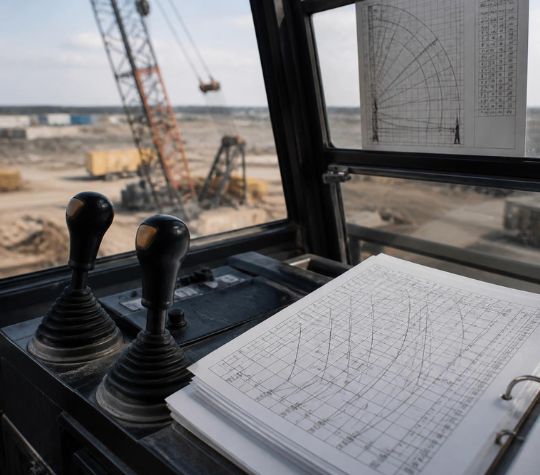
A construction lift involves more than choosing a crane with a suitable maximum capacity.
The crane needs to be suitable for the actual lift, including the load, radius, configuration, access requirements and site conditions.
Sydney construction sites can add another layer of complexity.
AusPro Steel’s Sydney CBD project information highlights restricted access, narrow streets, adjacent buildings, underground infrastructure, pedestrian traffic and limited staging space as challenges that need to be considered before steel lifting operations begin.
A crane that looks suitable on paper may not be suitable once all of these site conditions are considered.
That is why effective lift planning in Sydney starts well before the crane arrives.
7 Problems That Can Delay a Crane Lift in Sydney
A well-planned lift should identify potential problems before they become problems on the day.
Here are seven areas that can cause delays when they have not been properly assessed.
1. The Crane Can’t Access the Site
One of the simplest ways to delay a lift is to discover that the crane cannot physically reach the planned setup location.
Sydney sites can present challenges such as:
- Narrow access roads
- Tight construction entrances
- Restricted laneways
- Adjacent buildings
- Traffic
- Pedestrian activity
- Temporary site fencing
- Limited turning space
- Other construction equipment occupying access routes
A crane may have the required lifting capacity but still be unsuitable if it cannot safely reach or position itself at the site.
This is particularly important for CBD projects where available space can be extremely limited.
AusPro Steel notes that Sydney CBD projects often require equipment access to be planned well in advance because of narrow streets, adjacent buildings, underground infrastructure and traffic conditions.
2. The Crane Has Enough Capacity, But Not at the Required Radius
One of the most important concepts in crane lift planning is that maximum crane capacity does not mean the crane can lift that maximum load at every position.
The required lifting capacity depends on factors such as the crane configuration, boom length, load weight and lifting radius.
As the load moves further away from the crane, the available capacity can change.
This means a crane selected simply because its headline capacity appears sufficient may not be appropriate for the actual lift.
SafeWork NSW states that crane operators need to understand the crane’s characteristics, limitations and load charts to determine its rated capacity for the relevant configuration.
Before booking a crane, the lift should therefore be assessed based on the actual load and required radius, not just the maximum rated capacity printed in a specification.
3. The Crane Position Hasn’t Been Properly Planned
Where the crane sits can make a major difference to whether a lift is practical.
The position needs to account for:
- Required lifting radius
- Boom configuration
- Load path
- Landing area
- Surrounding structures
- Access and egress
- Underground services
- Ground conditions
- Pedestrian and vehicle movements
- Available working space
Moving the crane on the day may not be a simple solution.
The alternative position could change the lifting radius, capacity requirements or access arrangements.
For complex projects, crane positioning should therefore be considered during the initial crane lifting plan, rather than left until the equipment arrives.
4. Ground Conditions Aren’t Suitable for the Crane Setup
A crane needs an appropriate surface and setup area to operate safely.
Ground conditions can change the feasibility of a lift, particularly where cranes need to deploy outriggers or operate on temporary surfaces.
SafeWork NSW guidance specifically identifies ground conditions and site preparation as important considerations for mobile crane operations. It also notes the need to assess whether the site can accommodate the crane in its required configuration.
This is why a suitable crane location is not simply an empty piece of ground.
The team needs to understand what is beneath and around the proposed setup area and whether the ground can support the planned operation.
For some projects, engineering or geotechnical input may be required to assess the suitability of the crane standing area.
SafeWork NSW’s mobile crane findings also identify suitable standing and engineering assessment of crane standing areas as important parts of crane operations.
5. Overhead and Underground Hazards Haven’t Been Identified
Construction sites can contain hazards that are not immediately obvious from ground level.
Overhead hazards may include:
- Powerlines
- Buildings
- Scaffolding
- Temporary structures
- Other cranes
- Services and equipment
Underground hazards can include:
- Utilities
- Services
- Underground structures
- Basement areas
- Other infrastructure beneath the proposed crane position
SafeWork NSW identifies contact with buildings, scaffolding or powerlines and crane tip-over or rollover among the common crane risks, and highlights underground assets as an important consideration during mobile crane planning.
A crane lift plan therefore needs to consider the environment around the crane, not just the load hanging from the hook.
6. Traffic and Pedestrian Management Hasn’t Been Coordinated
A crane lift can affect more than the construction site itself.
In Sydney, particularly around busy commercial areas, crane operations may interact with roads, pedestrians, neighbouring properties and other construction activities.
This can create additional requirements around:
- Traffic control
- Pedestrian diversions
- Exclusion zones
- Temporary lane restrictions
- Site access
- Delivery timing
- Public protection
AusPro Steel’s Sydney CBD information highlights traffic management as a significant consideration, including temporary lane closures, night works and pedestrian diversions on complex city projects.
If these arrangements are not coordinated before the lift, the crane may be ready while the site is not.
That can result in equipment sitting idle while the required access or traffic controls are arranged.
7. The Site Teams Aren’t Working From the Same Plan
Even a technically sound lift can experience problems if communication between the people involved is poor.
A crane operation can involve:
- Site managers
- Project managers
- Crane operators
- Dogmen and riggers
- Steel erection crews
- Traffic controllers
- Other subcontractors
- Delivery drivers
- Engineers
- Other site personnel
Everyone needs to understand the planned operation, their responsibilities and the areas that need to remain clear.
SafeWork NSW states that PCBUs have responsibilities for coordinating lifting operations in consultation with crane crews and other PCBUs involved in the work. It also highlights the importance of establishing roles, responsibilities and exclusion zones.
A lack of coordination can lead to issues such as:
- Materials not being ready
- The landing area being occupied
- Delivery vehicles blocking access
- Workers entering exclusion zones
- Crane arrival not matching the site schedule
- Other trades working in the lift area
Good communication is therefore part of lift planning, not something to sort out once the crane is already on site.
Crane Arrival Timing Can Also Affect the Lift
Even when the technical side of a lift is ready, timing can create problems.
Sydney construction projects often operate around tight schedules and limited site space.
A crane arriving too early may have nowhere suitable to set up.
Arriving too late can disrupt steel erection, deliveries and other trades.
Traffic restrictions, road access and site requirements can also affect when the crane can reach the project.
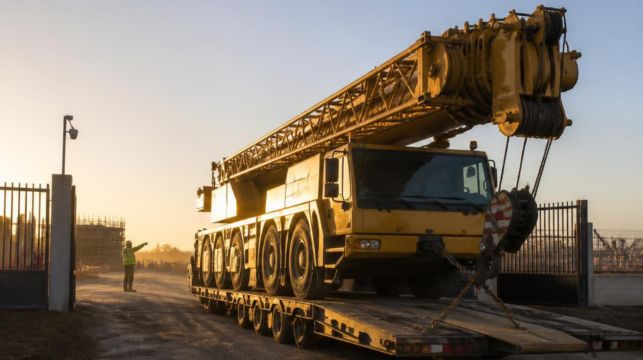
AusPro Steel’s Sydney CBD work highlights just-in-time delivery and carefully coordinated lifting operations as important considerations in environments where staging and storage space are limited.
That means crane scheduling should be considered alongside the wider construction program.
What Should Be Considered in a Crane Lifting Plan?
A crane lifting plan should be based on the actual requirements of the lift and the conditions at the site.
Depending on the project, planning may need to consider:
- Load weight
- Load dimensions
- Centre of gravity
- Required lifting radius
- Crane type and capacity
- Crane configuration
- Crane positioning
- Ground conditions
- Outrigger requirements
- Lifting and landing areas
- Load path
- Overhead obstructions
- Underground services
- Powerlines
- Traffic
- Pedestrian movements
- Exclusion zones
- Weather conditions
- Communication procedures
- Delivery and staging requirements
The exact planning and documentation requirements depend on the nature of the work and the project.
SafeWork NSW’s current guidance emphasises planning, consultation, site preparation, crane selection, ground conditions, load limits and hazard identification as part of safe mobile crane operations.
Why Sydney CBD Lifts Require Extra Planning
A crane lift on an open industrial site and a crane lift in the Sydney CBD can involve very different logistical challenges.
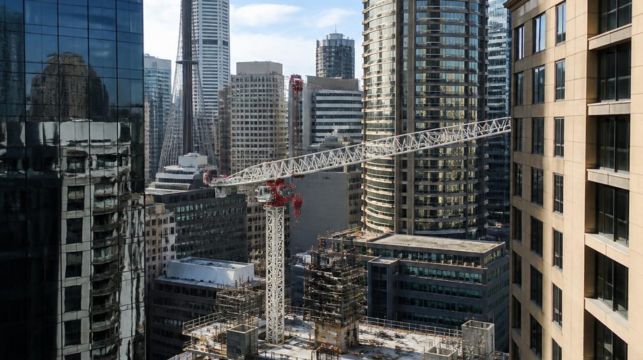
In the CBD, there may be little room for error.
Buildings can be close to the lifting area. Streets can be busy. Pedestrian movements can change throughout the day. Access may be restricted, and there may be limited space for equipment, materials and staging.
AusPro Steel specifically identifies Pitt Street, George Street, Barangaroo, Circular Quay and the Sydney Metro precinct among areas where logistics can be particularly challenging for steel installation.
This makes early coordination especially important.
A lift that works on paper may need to be adjusted once actual access, surrounding structures and site logistics are considered.
How Early Crane Lift Planning Can Reduce Construction Delays
The purpose of planning isn’t to add unnecessary complexity to a project.
It is to identify problems while there is still time to solve them.
For example, early planning may reveal that:
- A different crane configuration is required
- The planned crane position needs to change
- Additional ground assessment is needed
- Access needs to be arranged
- Traffic controls need to be scheduled
- Materials need to arrive at a different time
- The lifting sequence needs to be adjusted
- Another trade needs to clear the work area
Finding these issues days or weeks before the lift is very different from discovering them when the crane is already waiting on site.
That is where effective crane lift planning in Sydney can make a practical difference to project efficiency.
What Happens When a Lift Isn’t Properly Planned?
Poor planning can create more than just inconvenience.
A lift may need to be postponed because the crane is unsuitable for the required radius. The setup area may not be ready. Access may be blocked. Ground conditions may require additional assessment. Traffic controls may not be in place.
In the worst circumstances, inadequate planning can also increase safety risks.
SafeWork NSW identifies crane risks including falling loads, contact with structures and powerlines, and crane tip-over or rollover. Its guidance places strong emphasis on planning, consultation and hazard identification before lifting operations begin.
The objective should therefore be to identify and control these issues before the lift starts.
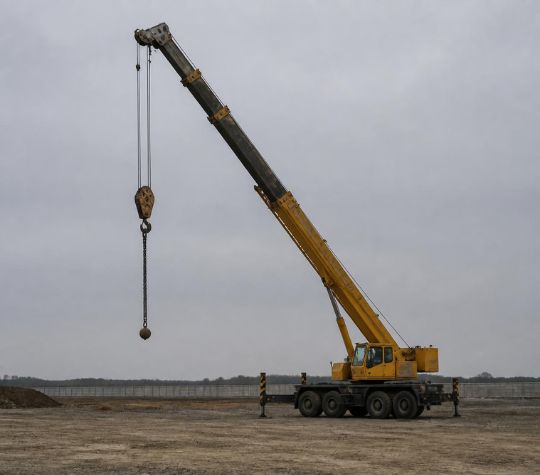
Working With a Crane and Rigging Team Early
For complex Sydney construction projects, involving the crane and rigging team early can help identify practical issues before they affect the construction schedule.
The project team can provide information such as:
- Load details
- Required lifting locations
- Site access information
- Construction schedules
- Available setup areas
- Landing locations
- Known site restrictions
The lifting team can then assess the practical requirements of the operation and identify issues that may need to be addressed before equipment arrives.
This collaborative approach is particularly valuable on restricted-access projects where the crane setup and lifting sequence need to work around the wider construction environment.
Plan the Lift Before the Crane Arrives
A successful crane lift starts well before the crane reaches the site.
For Sydney builders and project managers, the key is to identify potential problems early, before they become expensive delays on lift day.
Check the crane selection.

Confirm the load and required radius.
Review the crane position.
Assess access and ground conditions.
Identify overhead and underground hazards.
Coordinate traffic and pedestrian controls.
Make sure the site teams understand the lifting sequence and their responsibilities.
And most importantly, make sure the proposed lifting operation is practical for the actual site.
Crane Lift Planning and Lifting Support in Sydney
AusPro Steel Construction & Rigging supports commercial and industrial projects across Sydney, including complex steel installation and lifting requirements.
The company’s Sydney CBD operations specifically address challenging access, restricted crane positioning, traffic conditions, limited staging space and coordination between steel delivery and lifting operations.
For builders, developers and project managers, early coordination can help ensure the crane, lifting requirements and site logistics are considered before the equipment arrives.
Whether the project requires crane lifting services in Sydney, mobile crane support or coordinated steel lifting operations, the objective is the same: plan the lift around the real conditions of the site.
The best time to discover a problem with a crane lift is before the crane arrives, not when it is already waiting outside the site.
Frequently Asked Questions About Crane Lift Planning in Sydney
What is crane lift planning?
Crane lift planning is the process of assessing how a particular load will be safely lifted, moved and placed. Depending on the project, planning can include load weight, crane selection, lifting radius, crane position, ground conditions, access, load path, hazards, exclusion zones and site coordination.
Why is crane capacity at radius important?
A crane’s available lifting capacity can change depending on its configuration and the distance of the load from the crane. A crane with a high maximum capacity may not have sufficient capacity for a particular load at the required radius. SafeWork NSW requires operators to understand the crane’s load chart and rated capacity for the relevant configuration.
What can delay a crane lift on a Sydney construction site?
Common causes include restricted access, unsuitable crane positioning, inadequate ground conditions, incorrect crane selection, insufficient lifting capacity at the required radius, overhead or underground hazards, traffic restrictions, limited staging space and poor coordination between site teams.
Does a crane lift need to be planned before the crane arrives?
Yes. Planning should occur before the lifting operation so that crane selection, site preparation, access, hazards, roles, exclusion zones and other requirements can be addressed in advance. SafeWork NSW specifically recommends planning and consultation before mobile crane operations commence.
Why is crane lift planning particularly important in Sydney CBD?
Sydney CBD construction sites can have restricted access, narrow streets, surrounding buildings, underground infrastructure, heavy pedestrian and vehicle traffic and limited staging space. These conditions can significantly affect crane positioning, access, traffic management and the lifting sequence, making early planning particularly important.